

Tourism in South Africa is often spoken about in scenic terms first: sunlit coastlines, wildlife corridors, vibrant cities, and cultural routes that stretch across provinces like threads in a vast, living tapestry. Yet beneath the postcards and panoramic views lies a quieter, more persistent engine of economic activity. Tourism is not just an industry of movement and experience; it is a measurable force that shapes employment patterns, regional development, and the seasonal rhythm of local economies.
At its core, tourism acts as a job multiplier. Every arrival creates demand that extends far beyond hotels and tour guides. It touches transport operators, food producers, craft markets, maintenance services, security providers, and informal traders who often form the backbone of local visitor economies. In many South African regions where traditional employment opportunities are limited, tourism becomes a gateway into the workforce, offering entry-level roles that can evolve into long-term careers or entrepreneurial ventures. The sector’s reach is particularly visible in hospitality clusters, where a single busy season can sustain households for months beyond peak demand.
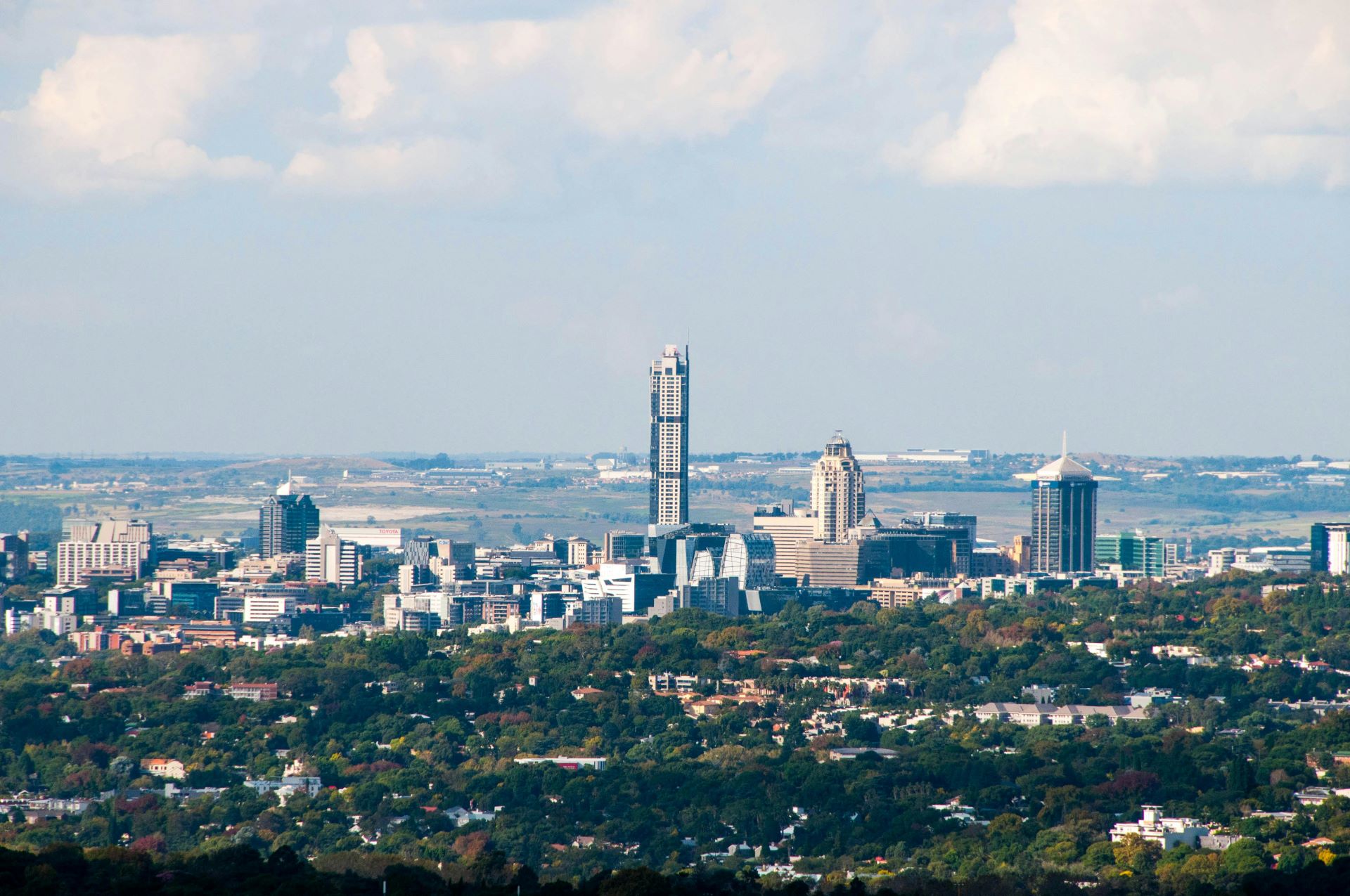
Regional development follows closely behind this employment effect. Tourism has a way of drawing investment into places that might otherwise remain on the periphery of economic attention. Infrastructure improvements such as upgraded roads, expanded airports, better signage, and enhanced public spaces are frequently justified and accelerated by visitor demand. Over time, these enhancements benefit residents just as much as tourists, creating a spillover effect that strengthens local quality of life. Smaller towns and rural areas, once dependent on a narrow set of industries, often find themselves repositioned as destinations in their own right, unlocking new streams of economic participation.
However, the benefits are not evenly distributed throughout the year. Seasonality plays a defining role in how tourism economies behave. Coastal regions, for example, may experience intense peaks during holiday periods, followed by quieter months where businesses must adapt to reduced cash flow. Inland destinations may see more stable flows but still experience fluctuations tied to school holidays, festivals, and international travel cycles. This ebb and flow requires a delicate balancing act from business owners and local authorities alike, who must plan for both abundance and scarcity within the same annual cycle. For many small operators, the high season is not just profitable; it is essential for survival through the quieter months.
What makes tourism particularly significant in South Africa is its ability to connect global interest with local impact. International visitors bring foreign currency into local systems, while domestic tourism circulates wealth within national borders. Both forms of travel contribute to a broader economic ecosystem where spending is redistributed across multiple layers of society. The ripple effect is tangible: a fully booked lodge supports farm suppliers, who in turn support transport networks, who in turn sustain fuel stations and service providers. Each transaction becomes part of a wider chain of value creation.
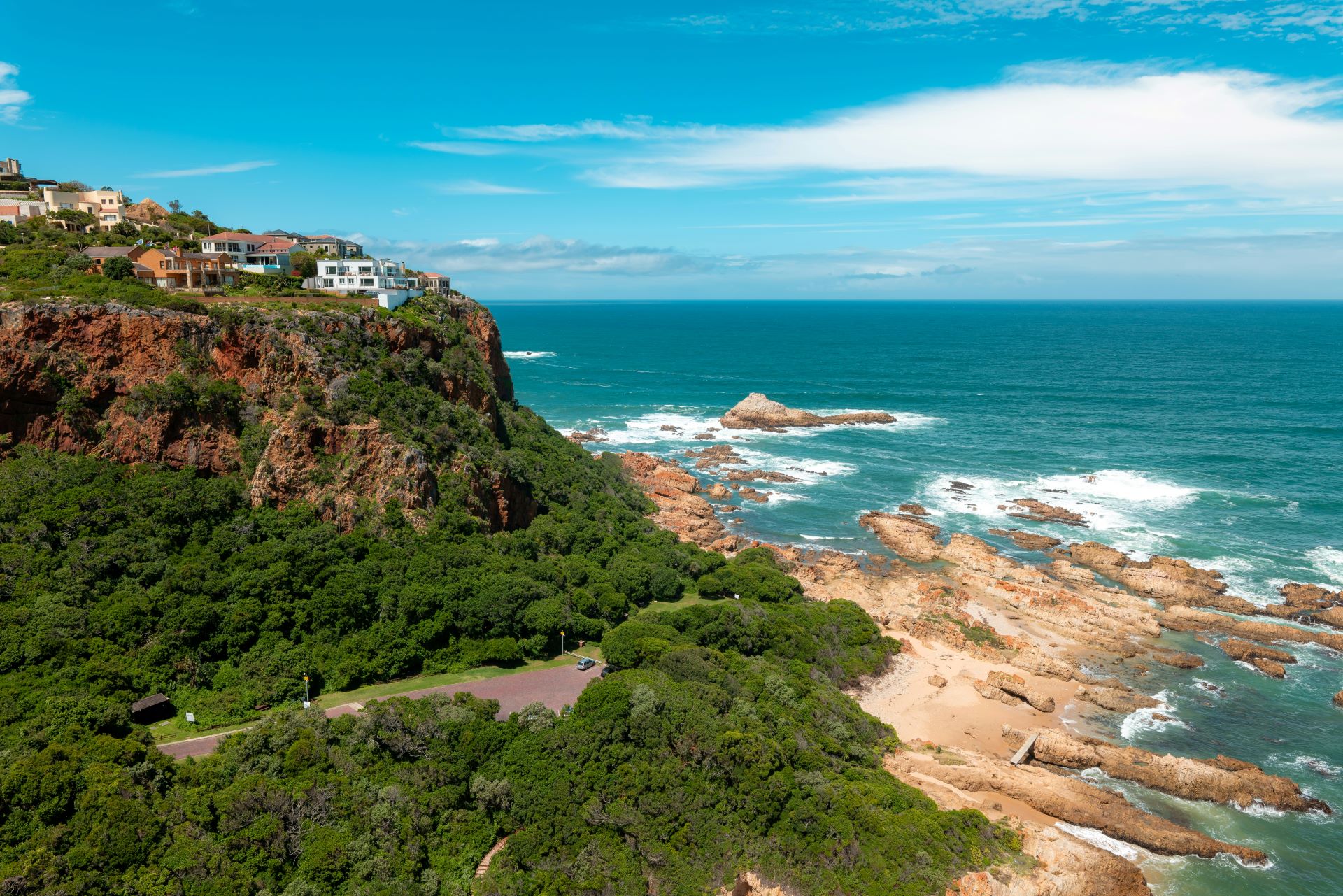
There is also a subtler form of economic shaping at work. Tourism influences how places present themselves, how communities preserve cultural heritage, and how natural assets are maintained for long-term viability. When managed responsibly, this can reinforce conservation efforts and encourage sustainable business practices that align environmental protection with economic benefit. When mismanaged, it risks overdependence on volatile visitor flows or pressure on local resources. The balance between these outcomes is where policy, planning, and private enterprise intersect most critically.
Ultimately, tourism in South Africa is not a static industry but a living system, one that breathes in cycles of demand, investment, and human movement. Its impact is not confined to headline figures or annual reports; it is embedded in the everyday functioning of towns, cities, and rural landscapes. From job creation to infrastructure development and the unpredictable rhythm of seasonality, tourism quietly but consistently reshapes the economic geography of the country, turning places into participants in a far larger story of exchange and growth.
Breyten Odendaal
Reporting from the frontlines of the South African tourism renaissance. Bridging the gap between regional stories and global audiences through elite narrative strategy.